The Art of the Comeback: How to Rebuild Your Self-Confidence After a Setback
We’ve all been there. A project fails, a relationship ends, or a mistake at work leaves you questioning everything you thought you knew about yourself. In those moments, self-confidence can feel like a distant memory, replaced by a heavy sense of doubt and “not being enough.”
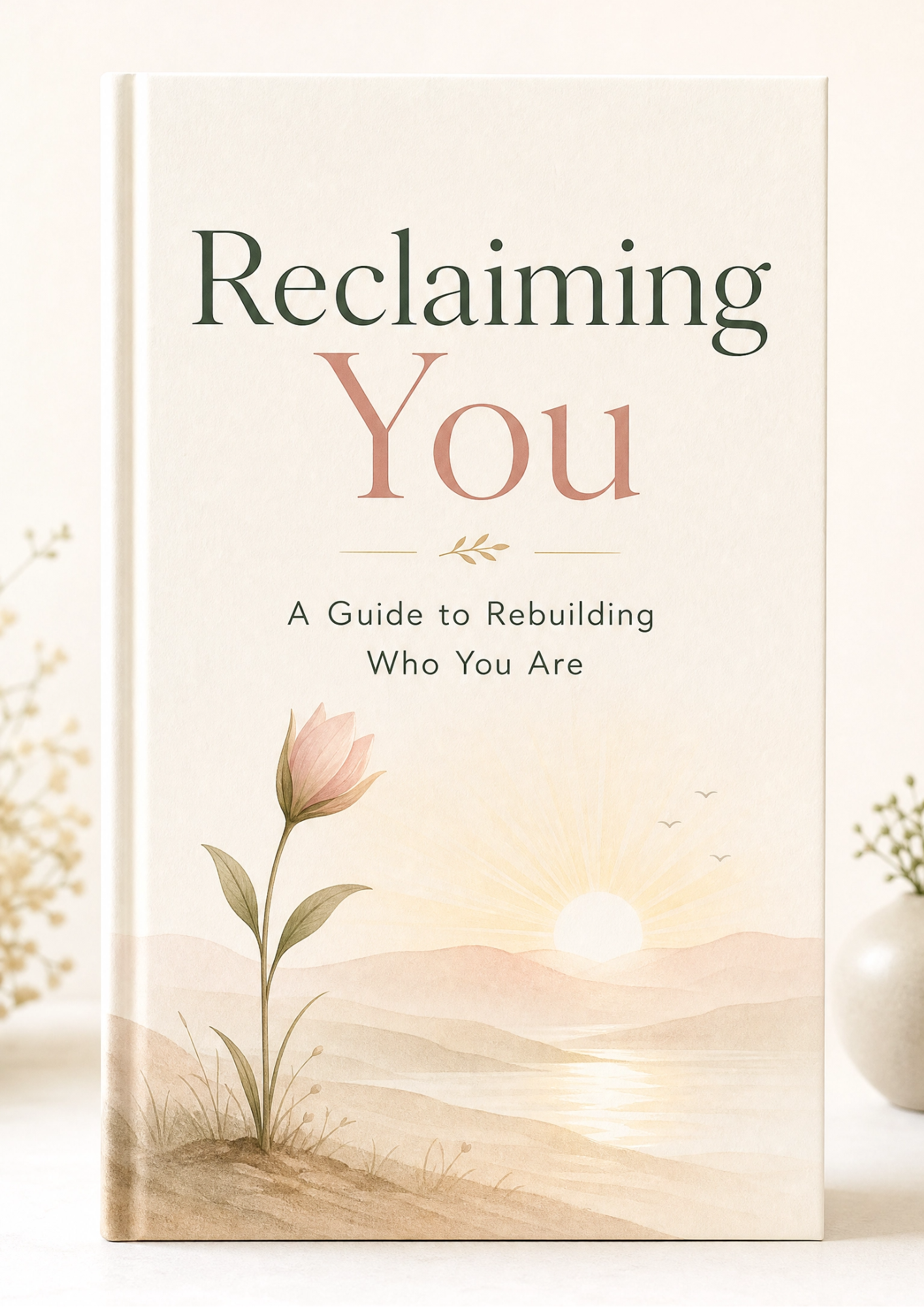
But here’s the truth: your confidence isn’t gone; it’s just under construction. Rebuilding self-confidence isn’t about returning to who you were before the setback; it’s about emerging stronger, wiser, and more resilient. It’s a journey of rediscovering your worth and reclaiming your power, one small step at a time.
Acknowledge, Then Pivot
The first step in rebuilding is to give yourself permission to feel the impact of the setback. Trying to “fake it ‘til you make it” without acknowledging the hurt often leads to suppressed emotions that resurface later. ge that failure is a part of growth, not a reflection of your inherent value .
•Audit the Experience: Once the initial sting has faded, look at the situation objectively. What can you learn? What was within your control, and what wasn’t? This shift from “Why did I fail?” to “What did I learn?” is crucial for moving forward.
Focus on Micro-Wins
When your confidence is low, big goals can feel daunting and even discouraging. The key is to shift your focus to “micro-wins”—small, achievable tasks that provide immediate evidence of your capability.
•Set Tiny Goals: Whether it’s completing a 10-minute workout, organizing a drawer, or sending that one email you’ve been avoiding, these small victories build momentum.
•Celebrate Every Step: Don’t wait for a major milestone to acknowledge your progress. Every time you show up for yourself, you’re casting a vote for the person you’re becoming.
Reconnect with Your Strengths
Setbacks have a way of making us forget what we’re good at. To rebuild, you must intentionally reconnect with your strengths and values.
•Value-Based Action: When you align your actions with your core values, you build a sense of integrity and self-respect that is independent of external outcomes .
•Strengths Inventory: Take a moment to list three things you’ve accomplished in the past. Remind yourself of the skills and qualities that helped you succeed then—they are still within you now.
Your Toolkit for Transformation
Rebuilding confidence is a practice, and like any practice, it’s easier with the right tools. My “Unstoppable You” and “Stop Negative Thinking” workbooks were created specifically to support you during these seasons of growth. They provide the structure, prompts, and exercises needed to:
•Challenge the inner critic that thrives after a setback.
•Reframe failure as a stepping stone toward mastery.
•Build a resilient mindset that can weather any storm.
You Are More Than Your Setbacks
Remember, a setback is a chapter in your story, not the whole book. Your value is not defined by your latest mistake or your most recent failure. You are a work in progress, and the very act of choosing to rebuild is a testament to your strength.